In the world of digital health, when we talk about "privacy," the first thing that comes to mind is HIPAA compliance, data encryption, and secure systems that store patient data. But for those managing obesity or diabetes, privacy means something far more personal: It means the freedom from judgment.
The “Observer Effect” in Dieting
Manually logging meals into an app often feels less like data entry and more like a confession. Every time a patient types in “pizza” or “ice cream,” they aren’t just recording calories; they are documenting a perceived failure (morally). When they know a clinician is watching that data entry on the other end, the anxiety spikes.
This is the psychological barrier to care. Research suggests that patients frequently omit “bad” foods or underestimate portion sizes. Why? It’s not because they want to cheat the system, but because they want to protect their dignity. They fear the raised eyebrow of their clinician or the red text that shows the calorie threshold was surpassed. This shame-induced editing renders the data useless. The clinician sees a perfect diet log, yet the patient’s biomarkers don’t improve.
Getting rid of the “Confession”
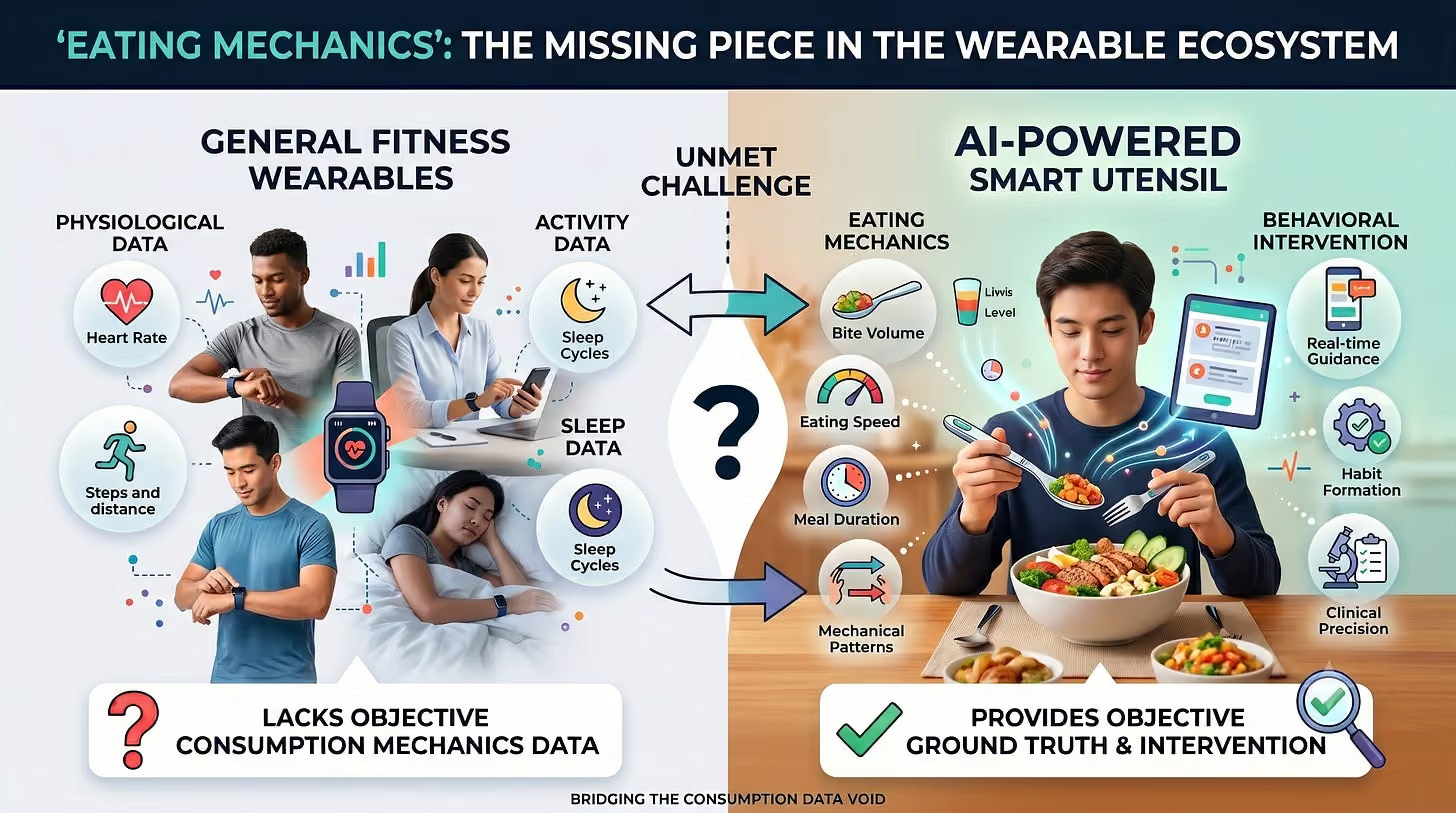
This is where Spoonified changes the paradigm. By automating data collection through a smart utensil, we remove the “confessional” aspect of tracking.
When a device passively measures bite speed, volume, and mechanics, it bypasses the patient’s internal shame filter. The act of eating becomes a biomechanical event, not a moral test. The patient doesn’t have to actively admit to the food; the spoon simply observes the intake.
From Judgment to Mechanics
This shift from active reporting (”I have to tell you what I did”) to passive sensing (”The device noticed this pattern”) is profound. It separates the patient’s self-worth from their data.
- Manual Log: “I failed because I ate too much.”
- Spoonified Data: “My bite frequency increased by 20% during dinner.”
The latter is an objective data point we can troubleshoot. The former is a secret the patient keeps.
True privacy in healthcare isn’t just about hiding data from hackers; it’s about removing the fear of being seen. By taking the psychology out of the logging process, we don’t just get better data, we get honest patients. And honesty is the first step to real clinical progress.