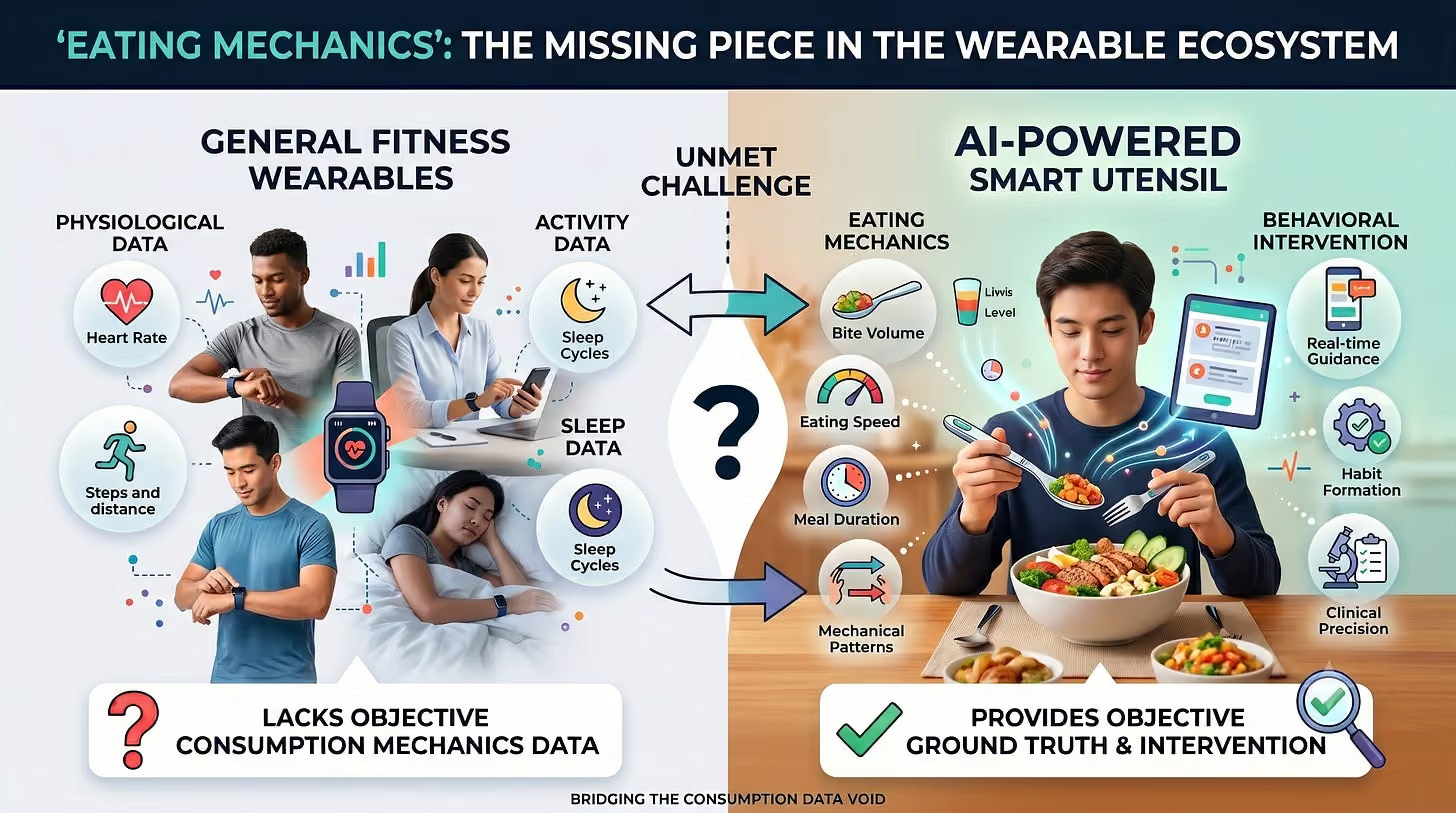
In the past decade, sensor-based technology has transformed the fitness industry, changing not only how we track our activity but also how we think about health and wellness. What started with simple pedometers has evolved into a sophisticated ecosystem of interconnected devices, apps, and services—driving innovation, adoption, and growth like never before.
From Pedometers to Smartwatches: The Evolution
It all began with basic pedometers, which simply counted your steps. While this was a great start, the real revolution began with devices like the Fitbit and Apple Watch. These sleek wearables combined multiple sensors—accelerometers, gyroscopes, and even optical heart-rate monitors—to deliver a much more detailed view of your daily activity and overall health.
Heart rate monitors took things further, enabling users to track their cardiovascular health during workouts and at rest. The introduction of activity trackers meant people could now monitor sleep patterns, calories burned, and even stress levels. Smart weight scales completed the picture, syncing with your devices to provide real-time updates on weight, body fat percentage, and more.
Driving Supplemental Innovation and Ecosystem Growth
Sensor-based fitness devices didn’t just change how we track health—they created a booming ecosystem of supplemental products and services. Fitness apps, nutrition trackers, workout platforms, and even virtual coaching solutions emerged to integrate seamlessly with these devices. Companies innovated rapidly to offer tailored workouts, diet recommendations, and health insights, all based on real-time data from wearables.
This ecosystem effect drove widespread adoption. As devices became more powerful and affordable, more people jumped on board. Social sharing features and gamification—such as step challenges and achievement badges—helped sustain engagement and motivation.
Industry Benefits and Lessons for Nutrition & Wellness
The fitness industry’s embrace of sensor technology has benefited everyone, from individual users who enjoy personalized insights and motivation to businesses, which have tapped into new revenue streams and partnerships. Healthcare providers now use aggregated wearable data to better understand and care for their patients.
Other industries, especially nutrition and wellness, can learn valuable lessons. Embracing sensors—like smart food scales or hydration trackers—can make healthy eating and self-care more quantifiable and engaging. Integration with apps and wearables can unlock a holistic picture of health, driving both adoption and innovation.
Conclusion
The sensor revolution in fitness shows that data-driven, user-friendly technology not only empowers individuals but also sparks the kind of innovation and ecosystem growth that benefits entire industries. Nutrition and wellness are poised to follow suit—creating a future where healthy living is smarter, easier, and more connected than ever.